01 / INGREDIENTS
Flavor Liberation
Explore ingredients by what they contribute to a dish. Flavor Liberation follows connections across culinary traditions and asks what else an ingredient can do.
Explore Flavor LiberationWith Robert Meyers-Lussier
Explore ingredients, understand the decisions behind a dish, and learn how to work with AI in the kitchen. Cook, taste, challenge, and revise. Your judgment brings it all together.
The purpose
Teaching culinary arts and human–artificial intelligence collaboration through recipes, ingredient exploration, and documented work in the kitchen.
Learn through a dish
A recipe gives you the steps. Understanding the choices gives you something to use in your next dish.
A closer look · Labneh pancakes
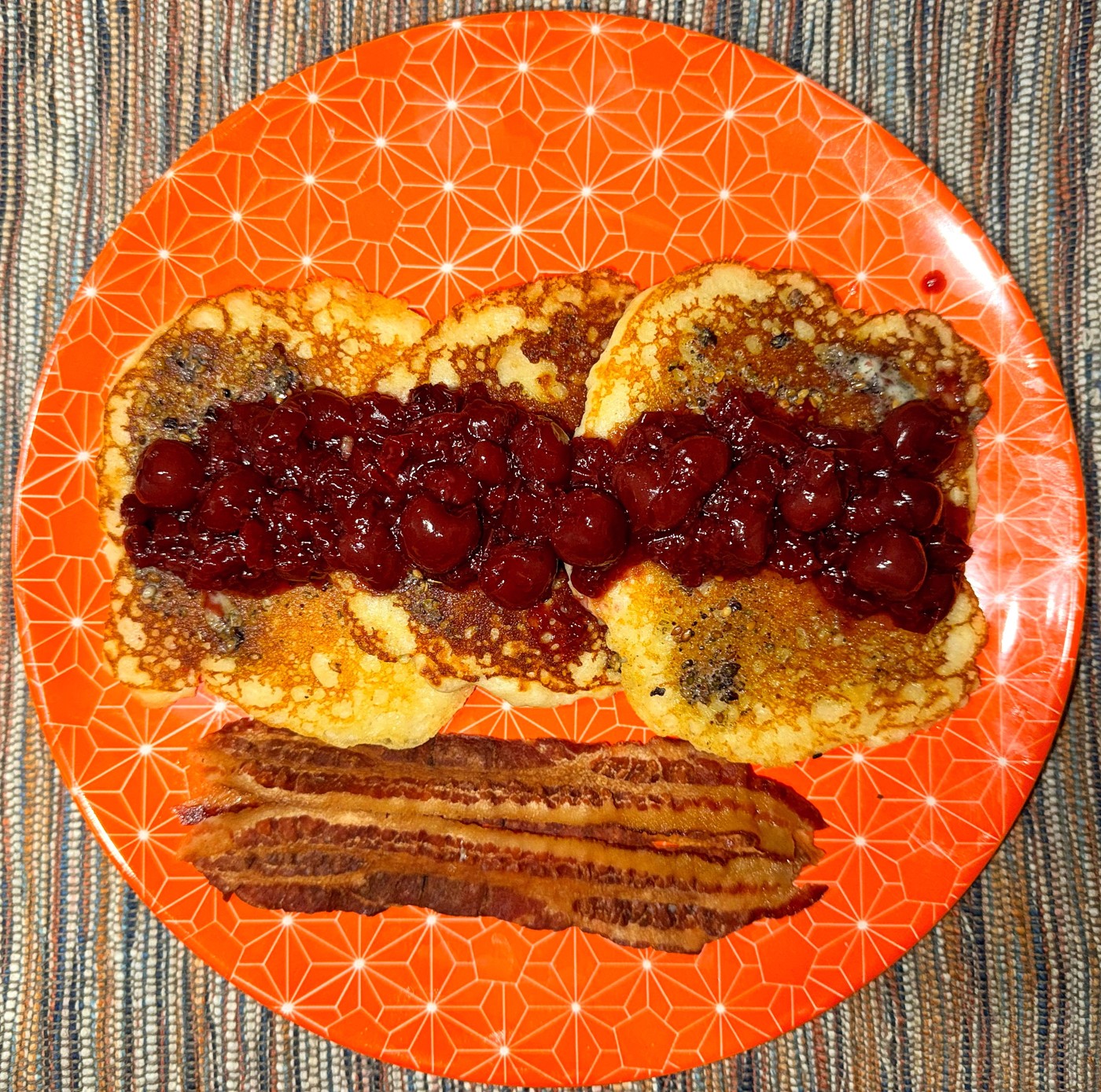
Open each note to follow a decision in the pancake recipe featured above.
The recipe’s notes account for differences in labneh consistency: loosen a stiff labneh with milk, then add any further milk sparingly. The useful lesson is to observe the batter instead of assuming every brand behaves identically.
In this recipe, orange blossom water goes into the compote off the heat. The za’atar butter is warmed gently, with additional sumac added afterward. Follow the timing as carefully as the quantities.
The notes distinguish pomegranate molasses from lemon: one gives deeper fruity tartness, the other a brighter acidity. A substitution is a choice about the result you want.
Three ways into the work
Start with a flavor, a practical cooking question, or an idea you want to test.
Explore ingredients by what they contribute to a dish. Flavor Liberation follows connections across culinary traditions and asks what else an ingredient can do.
Explore Flavor LiberationFollow a real development problem, examine where an AI suggestion falls short, and see why the cook has to keep asking better questions.
Read The Meatball That Broke Two AIsExternal · SubstackDigniCuisine explores flavorful, practical cooking with food-shelf ingredients and everyday staples, with dignity and pleasure at the center.
Discover DigniCuisineIngredient exploration, on video
Come along as I taste unfamiliar ingredients, describe what I notice, and explore where they might belong in a dish. Recent explorations include wattleseed and ajwain.
“Like thyme and oregano had a baby times 5.”
My first impression of ajwain.
The cook behind CogniCuisine
I’m Robert Meyers-Lussier: a cook, culinary teacher, cookbook author, and photographer. My experience includes catering and restaurant reviewing. Cooking has been part of my life for more than forty years.
CogniCuisine grew from that experience and an expanding collaboration with AI. I began by comparing recipes and testing ways to improve them. The work developed into original recipes, ingredient research, and a record of the questions, failures, and revisions along the way.
Here, I share what that work can teach. The decisions must hold up in a real kitchen, and the final judgment happens at the table.
Recipes and reflections from the work as it develops.
Recipe development
Follow the development of a dish with coconut–miso sauce, and the point where the cook’s judgment has to take over.
Read the recipe and its storyExternal · SubstackPhotography & creative practice
Explore how an original food photograph becomes the starting point for a transformed setting and a painted interpretation.
Read the articleExternal · MediumOne dish, a wider creative practice
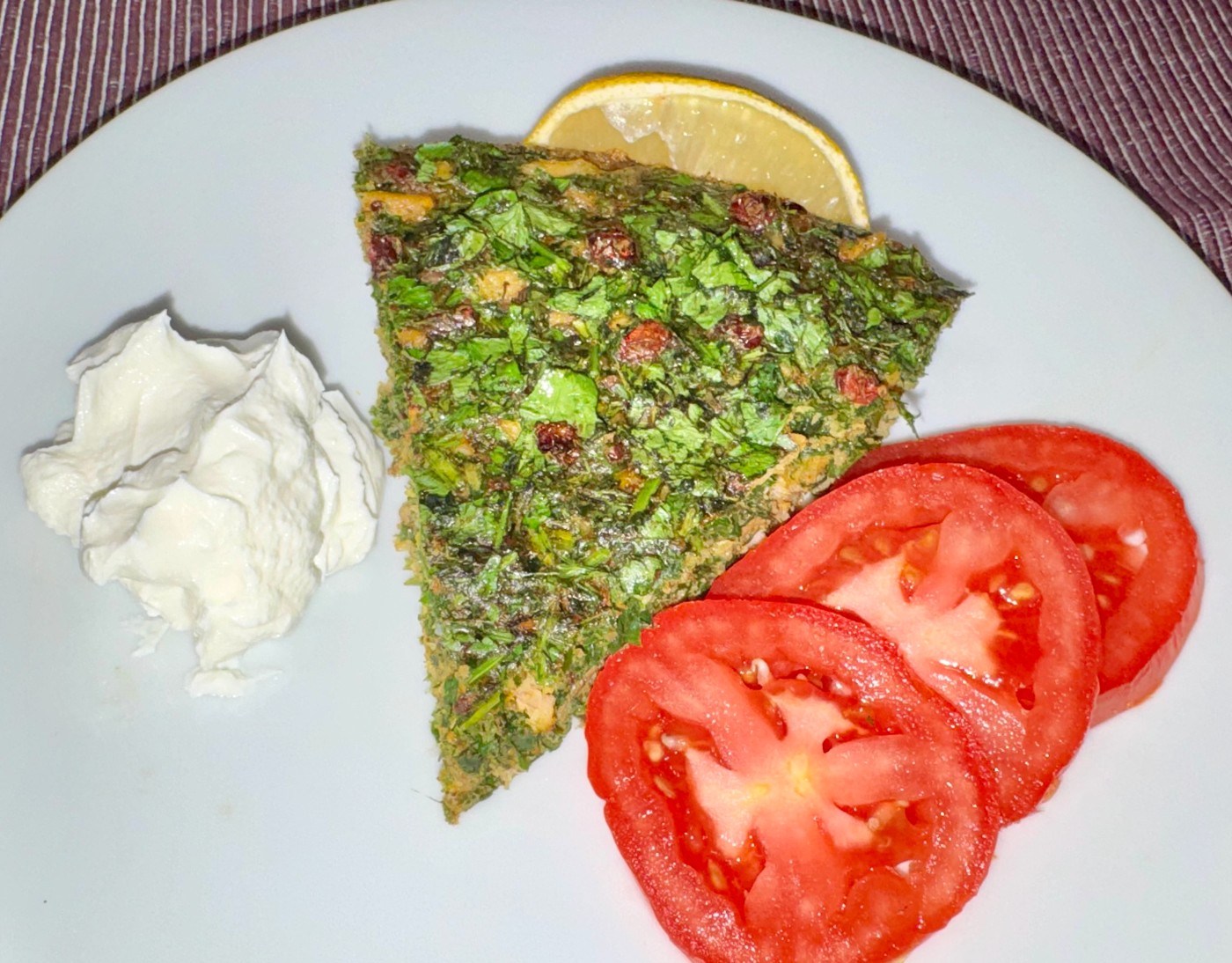
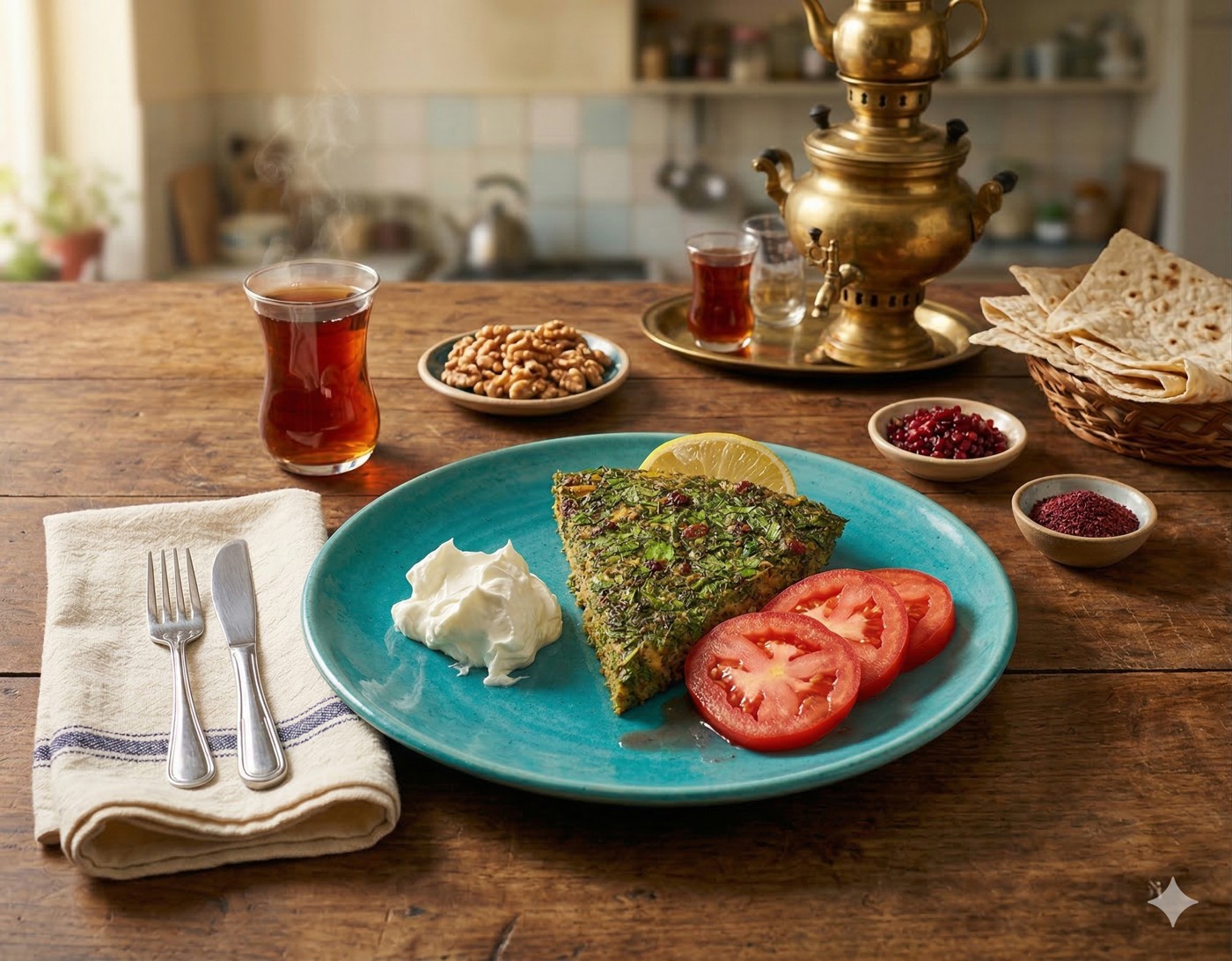
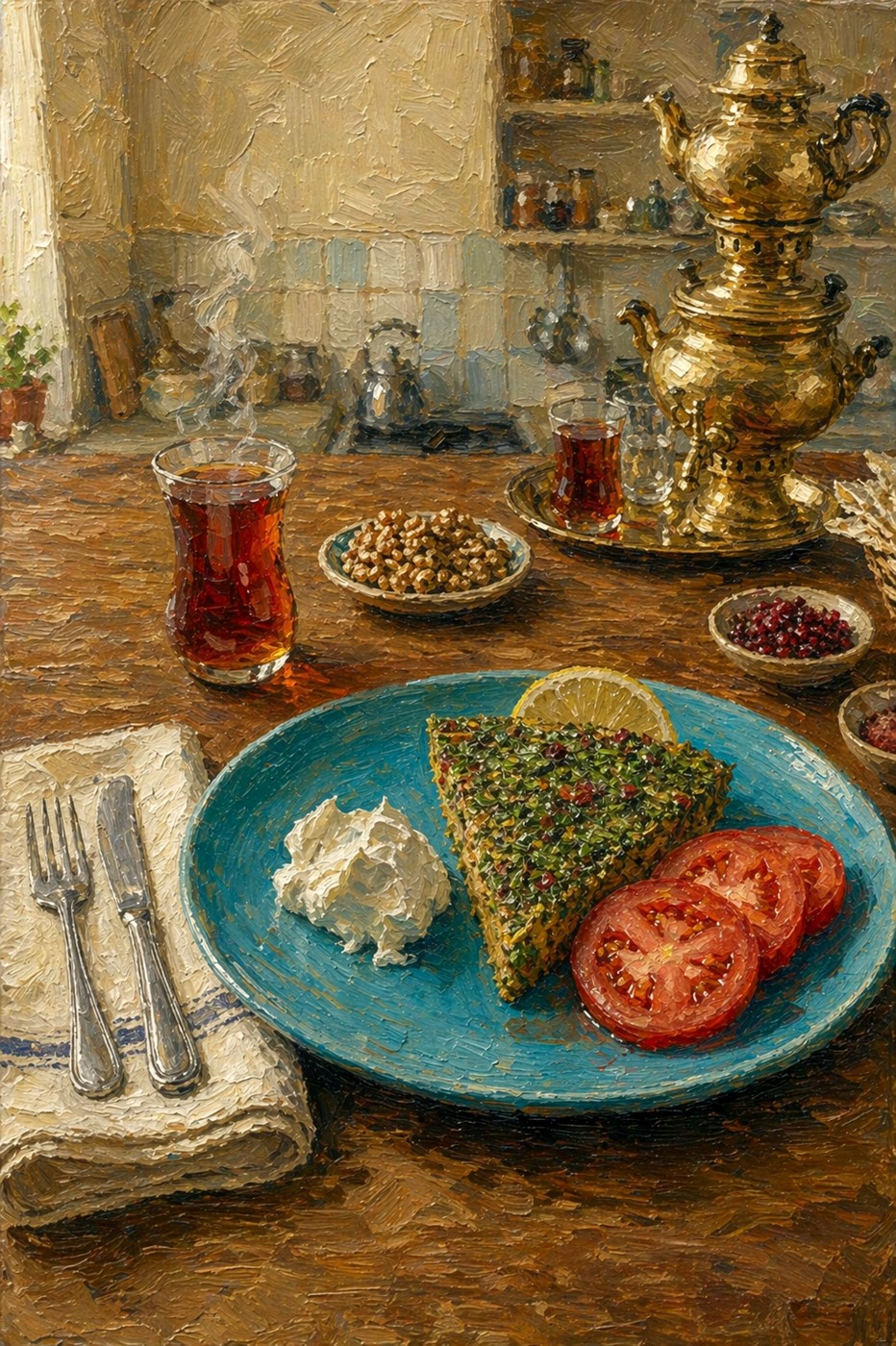
The original photograph remains the reference. Compare the food, the transformed setting, and the finished digital artwork behind Emerald Vigil, then explore the connected recipe and music.
From “Why the Fork Matters”
“Ask the audacious questions. Push back when it’s wrong. Challenge it. Let it do what it does best. Then, make it yours. Then, cook.”
Robert Meyers-Lussier · CogniCuisine